Thursday, September 24, 2026

Beach Escapes: Mallorca's Best-Kept Coastal Secrets

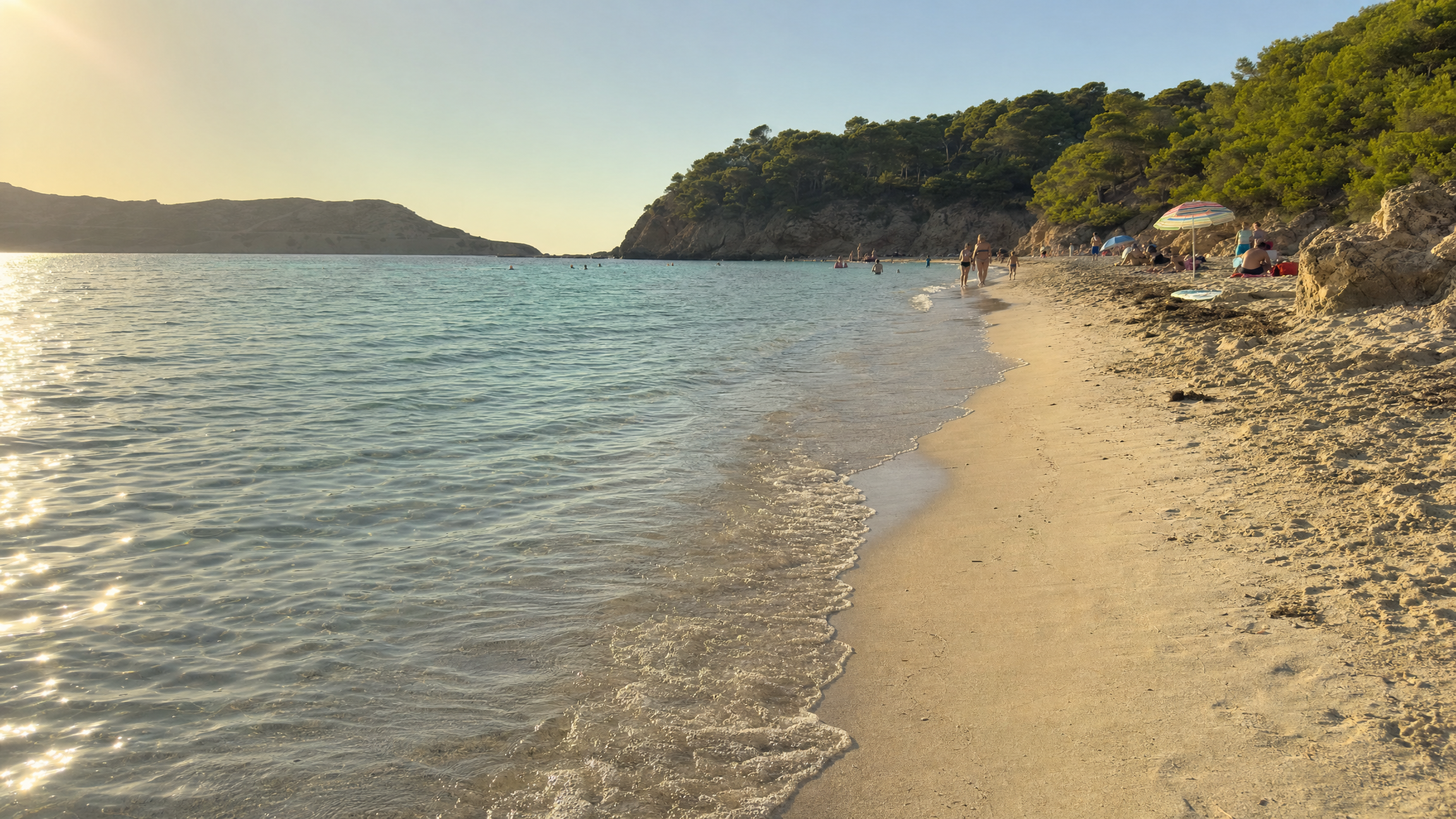
Mallorca beach with turquoise water and pine-covered cliffs

Mallorca has over 300 beaches and coves scattered along its coastline, and yet most visitors only ever see a handful of them. If you've been dreaming of turquoise water, golden sand, and pine-scented sea breezes — without the shoulder-to-shoulder crowds — this guide is for you.

The Beaches Everyone Talks About (For Good Reason)

Let's start with the headliners. Es Trenc is often called the Caribbean of the Mediterranean, and one look at its pale sand and shallow, impossibly blue water tells you why. Stretching nearly three kilometres along the southern coast, it's one of Mallorca's last undeveloped beaches — no high-rises, no boardwalk, just dunes and sea. Arrive early in summer, because word has well and truly spread.

Cala Agulla, on the northeast coast near Cala Ratjada, is another stunner. Backed by a nature reserve of dunes and pine forest, it has that perfect balance of accessibility and natural beauty. The water is crystal clear, the sand is fine, and there are just enough amenities (a beach bar, sun loungers) to keep things comfortable without spoiling the scenery.

Then there's Cala Mondragó, tucked inside a national park on the southeast coast. Two neighbouring coves — S'Amarador and Mondragó itself — share shallow, sheltered water that's perfect for families. The walking trails through the park are worth the trip on their own.

The Hidden Coves Worth the Hike

Mallorca's real magic lies in the calas — small rocky coves carved into the coastline, many of them reachable only on foot or by boat. The effort to reach them is what keeps them quiet.

Cala Varques on the east coast requires a 20-minute walk through pine forest and past limestone formations. There are no facilities, no lifeguards, no crowds — just a small crescent of sand, transparent water, and sea caves to explore. Bring water, a snack, and shoes you can walk in.

Cala Marmols in the far south is one of the island's most dramatic beaches. Snow-white sand sits beneath 20-metre marble cliffs, and the three-hour coastal hike to reach it guarantees you'll have the place almost to yourself. It's remote, rugged, and absolutely worth the effort.

On the northwest coast, Cala Tuent sits in the shadow of the Serra de Tramuntana mountains. Most people heading this way end up at nearby Sa Calobra, which means Cala Tuent gets a fraction of the visitors. The drive down the winding mountain road is an adventure in itself.

Insider Tips for a Better Beach Day

Check the wind. This is the single most useful tip for Mallorca beach days. If the north wind (Tramuntana) is blowing, head to the southern beaches — Cala Marmols, Es Trenc, Cala Llombards. If a south or east wind picks up, the northern and western beaches will have the calmest, clearest water. Apps like Windy or Windguru will show you exactly where the offshore wind is, which is what gives you that glass-like water.

Go in September. The sea is warm from a full summer of sun, the crowds thin out dramatically after the first week, and the late-afternoon light is extraordinary. It's the best-kept secret about Mediterranean beach holidays.

Hire a car. Many of Mallorca's most beautiful beaches are difficult or impossible to reach by public transport. Having your own wheels lets you visit multiple beaches in a day and adapt on the fly when one cove is too windy or too busy.

Pack smart for hidden coves. Most secret beaches have zero facilities — no shade, no food, no fresh water. Bring a hat, reef-safe suncream, a litre of water per person, and a rubbish bag so you leave nothing behind.

Your Mallorca Beach Escape Starts Here

Whether you want a lazy day on a well-equipped beach or an adventure to a secret cove at the foot of marble cliffs, Mallorca delivers. The island's coastline is one of the most varied in Europe, and with a little planning, you can have a completely different beach experience every single day of your trip.

Ready to start planning? Browse our Mallorca tours and beach day trips at www.icontours.com and let us help you find your perfect stretch of sand.

Tuesday, September 15, 2026

Laptop, Lemongrass, and the Slow rt of Working from Chiang Mai

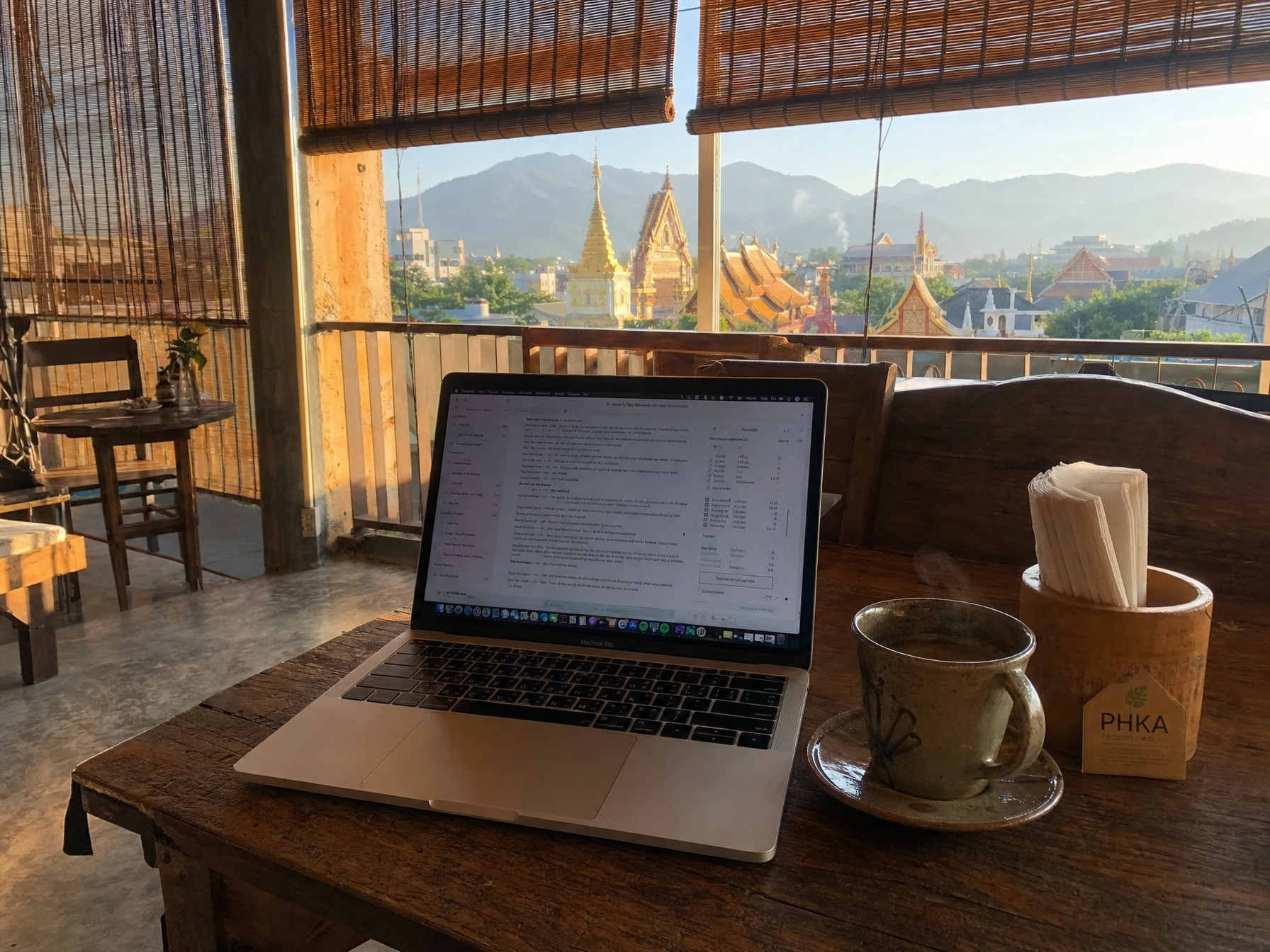
Digital nomad working from a cafe in Chiang Mai, Thailand

By Icon Tours | Travelites Blog

The email came in at 7:14 AM. A client in New York needed revisions by end of day — their end of day, which gave me until midnight local time. I closed my laptop, walked barefoot across the teak floor of my apartment in Chiang Mai’s old city, and made myself a pour-over with beans from the roaster down the lane. Through the window, the gold spire of Wat Chedi Luang caught the early light. The monks were already out with their alms bowls. I had fourteen hours, a fast internet connection, and a city that somehow makes deadlines feel less like emergencies.

That’s the secret Chiang Mai keeps poorly: it doesn’t just tolerate remote workers. It actively makes them better at what they do.

The Third Place, Perfected

Every digital nomad destination claims great co-working. Chiang Mai actually delivers. Not because the spaces are flashy — most are modest — but because the ecosystem around them is so finely tuned to the rhythm of focused work and deliberate rest.

My favorite was a cafe on Nimmanhaemin Road called something I could never quite pronounce. Concrete floors, mismatched furniture, a barista who remembered my order after the second visit. The wifi never dropped. An iced Thai tea cost forty baht — about a dollar — and came with a tiny dish of coconut cookies I never asked for. I wrote some of the best work of my career at that wobbly corner table, and I’m not entirely sure the cookies weren’t the reason.

But what makes Chiang Mai different isn’t any single cafe. It’s the density. Within a fifteen-minute bike ride of my apartment, I counted eleven places where I could sit, connect, and work without anyone hovering or hinting that I should order more. The culture simply allows it. You’re a person doing your thing. The city respects that.

When the Laptop Closes

The real magic begins when you stop working. Chiang Mai is a city that rewards wandering in a way that few places do. I’d finish a project at six, hop on my rented scooter, and within twenty minutes be standing in the Saturday Night Market on Wualai Road — a river of silk, silver, carved soap, and sizzling woks stretching further than I could see. The smell alone was a meal: charcoal-grilled pork neck, green papaya salad pounded fresh in a mortar, mango sticky rice with coconut cream so rich it felt illegal.

The temples are everywhere, and they refuse to become background scenery. Wat Phra Singh glows amber at dusk. Wat Umong sits in a forest on the edge of town, its tunnels covered in moss, meditation cushions laid out under trees where monks have sat for seven centuries. I went there after a particularly frustrating call once, sat on a cushion, listened to the birds, and within thirty minutes the frustration felt like it belonged to someone else.

The Community You Didn’t Know You Needed

Digital nomad life can be isolating. That’s the part the Instagram posts leave out — the loneliness of perpetual motion, the friendships that last exactly as long as a visa. Chiang Mai pushes back against this. The nomad community here has been building for over a decade, and it has roots. There are weekly meetups, co-working retreats in the mountains, language exchange nights, group hikes to Doi Suthep. People stay for months, sometimes years. Real friendships form. I met a graphic designer from Berlin and a developer from Buenos Aires in my first week, and we ended up sharing a house for three months.

We cooked together — badly at first, then less badly after a Thai cooking class in someone’s grandmother’s kitchen, where a tiny woman with an enormous laugh taught us to balance fish sauce, lime, sugar, and chili until the curry paste tasted like it was supposed to taste. That class alone was worth the plane ticket.

The Numbers That Don’t Lie

A comfortable apartment in the old city: $400 a month. A meal at the market: $2. A Thai massage after a long day of coding: $8. A monthly gym membership: $30. These numbers aren’t a fantasy. They’re my actual expenses from six months in Chiang Mai. The math creates something invaluable: the freedom to work on projects you actually care about, because the cost of existing is low enough that you can afford to be selective.

But reduce Chiang Mai to its affordability and you miss the point. The city doesn’t just save you money. It saves you from the particular exhaustion of living in a place that wants everything from you and gives back only convenience. Chiang Mai gives back slowly, generously, in temple bells at dawn and coconut cookies you didn’t ask for.

Explore our carefully vetted tours, workshops, retreats, transfers, and stays around the world at www.icontours.com

Wednesday, September 2, 2026

The Places That Haven't Learned to Perform: Why Cappadocia Changed How I Travel

By Icon Tours | Travelites Blog

I almost didn't go to Cappadocia. It wasn't on my original itinerary. Istanbul was the plan — the mosques, the bazaars, the Bosphorus at sunset. A fellow traveler at a hostel in Ankara told me I was making a mistake. "You'll love Istanbul," she said. "Everyone does. But Cappadocia will rearrange something inside you." She was right.

When the Earth Decides to Sculpt

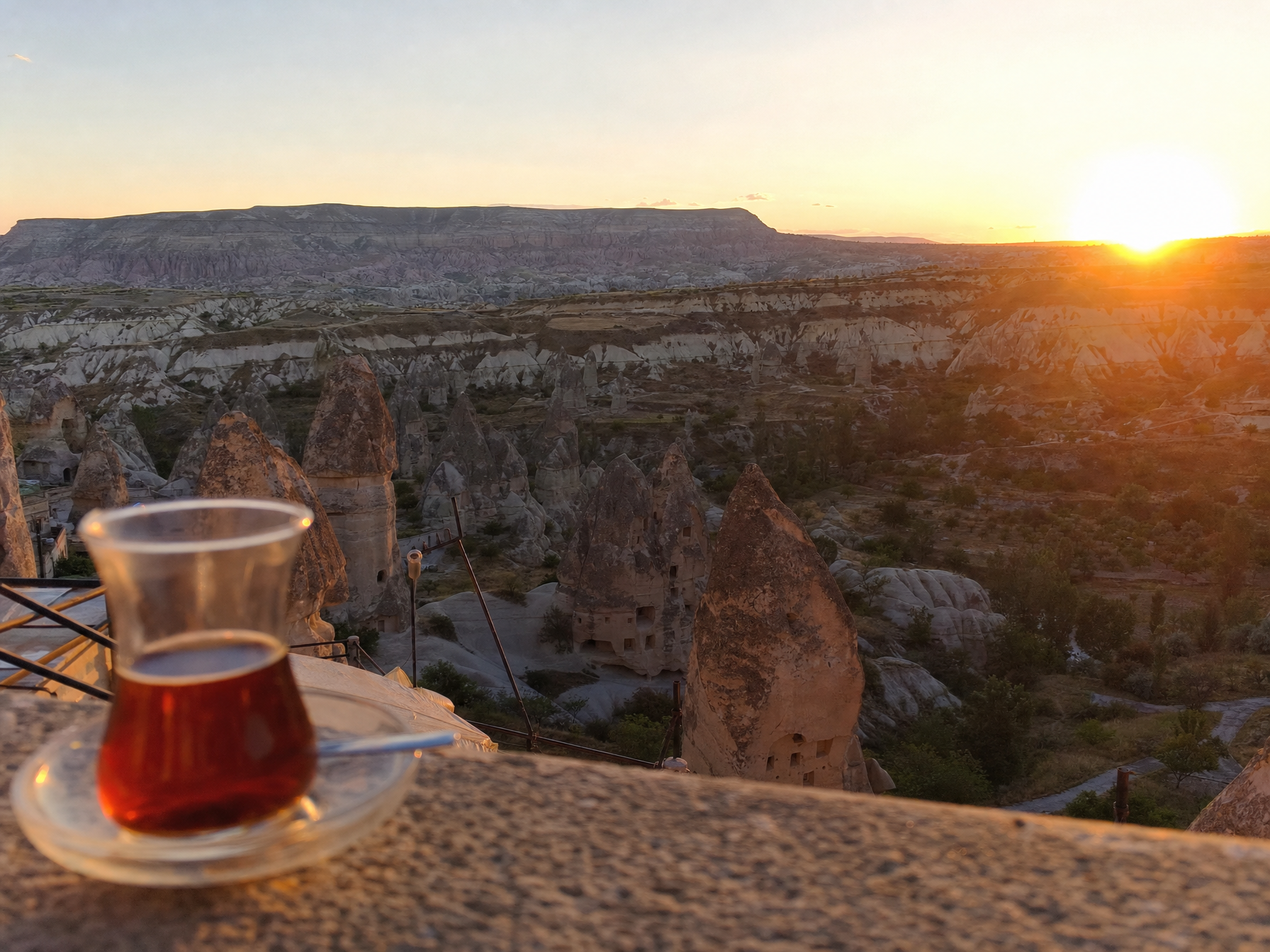
Nothing prepares you for the first glimpse of the fairy chimneys. I came in on a dolmus from Nevsehir at dusk, and the landscape shifted from ordinary Turkish countryside into something that looked like it belonged on another planet. Towering columns of soft volcanic rock, carved by millennia of wind and rain into shapes that no architect would dare propose — mushroom caps balanced on slender stems, cathedral-sized pillars honeycombed with ancient rooms. The light was doing that golden-hour thing where every surface seems lit from within, and I pressed my face against the bus window like a kid.

This is what second cities give you. Not the polished, museum-quality experience of a capital, but the raw, unscripted encounter with a place that hasn't yet learned to perform for tourists. Cappadocia has tourism, sure — but it hasn't been flattened by it. The edges are still rough. The surprises are still real.

Sleeping Inside the Mountain

My cave hotel in Goreme was carved directly into the rock face. The walls were cool and slightly damp, the color of bone. There was no minibar, no laminated room-service menu. Instead, there was a hand-woven kilim on the stone floor, a window cut into three feet of solid tufa, and a silence so deep I could hear my own heartbeat. I slept better in that cave than I have in any five-star hotel.

In the morning, the owner — a man named Mehmet whose family had lived in these caves for four generations — brought me tea on the terrace. Below us, the Rose Valley unfolded in layers of pink and amber. "My grandfather was born in that cave," he said, pointing to a dark opening across the valley. "Now it's a pigeon house." He laughed. History here isn't preserved behind velvet ropes. It's lived in, repurposed, still breathing.

Going Underground

The underground cities are where Cappadocia truly reveals its strangeness. Derinkuyu stretches eight levels deep — a subterranean metropolis that once sheltered 20,000 people from invading armies. I descended through narrow passages, ducking under stone doorways worn smooth by centuries of shoulders brushing past. There were stables, churches, wine cellars, ventilation shafts engineered with startling sophistication. The air was cool and mineral-scented. Standing in a chamber sixty meters below the surface, lit by a single bulb, I felt the weight of all the fear and ingenuity that had carved this place into existence.

Above ground, Cappadocia surprises differently. I hiked the Ihlara Valley alone, following a river through a canyon lined with Byzantine churches painted in fading ochre and indigo. I ate gozleme — savory flatbread stuffed with spinach and cheese — at a roadside stall where the woman making them had flour up to her elbows and no interest in my attempt at Turkish small talk. She just smiled, handed me the bread, and waved away my money when I tried to pay too much.

Dawn in the Sky

The balloon ride. I know — it sounds like every Instagram cliche you've ever scrolled past. But here's what the photos don't capture: the silence. A hundred balloons rising at dawn over the fairy chimneys, and the only sound is the occasional roar of the burner and the collective held breath of forty strangers floating above a landscape that looks like a dream someone forgot to wake up from. The valleys were filled with mist. The sun crested the horizon and painted everything tangerine. A woman next to me was crying quietly. I understood why.

The Case for Second Cities

We've been trained to travel to capitals. Paris, London, Tokyo, Rome. And those cities deserve their fame. But the second cities — the Cappadocias, the Luang Prabangs, the Oaxacas — offer something the headliners can't: the feeling of discovery. The sense that you're not following a script. That the place you're standing in hasn't been optimized for your consumption, and that's precisely what makes it extraordinary.

Cappadocia didn't just change my itinerary. It changed my philosophy. Now I always ask: what's the place nobody's telling me to go? That's usually where the real story lives.

Explore our carefully vetted tours, workshops, retreats, transfers, and stays around the world at www.icontours.com

Beach Escapes: Mallorca's Best-Kept Coastal Secrets

Mallorca has over 300 beaches and coves scattered along its coastline, and yet most visitors only ever see a handful of them. If you...