Tuesday, July 21, 2026

I Let AI Plan My Berlin Trip — Here's What Happened When the Algorithm Met the Autobahn

Berlin Brandenburg Gate at golden hour

By Icon Tours | Travelites Blog

I was standing in the middle of Kreuzberg at 11 PM, eating a döner kebab that an AI chatbot had insisted was "the single best late-night food experience in southeastern Berlin," and I had to admit — the machine was right. The bread was crisp and warm, the meat had been shaved off the spit seconds before, and the garlic sauce had that unmistakable homemade tang that separates the legends from the imitators. A human concierge might have sent me to a sit-down restaurant. The algorithm sent me here, to a fluorescent-lit counter on Oranienstraße with a line out the door at midnight. No regrets.

The Experiment

I wanted to test something. Berlin is a city I've visited four times — enough to have my routines, my favorite U-Bahn exits, my go-to café near the Landwehr Canal where the flat white is perfect and nobody talks to you before noon. But this trip, I handed the keys to AI. I used three different tools: one for building my day-by-day itinerary, one for real-time translation when my German failed me (which was often), and one for restaurant and experience recommendations based on my actual preferences — not just star ratings, but the kind of granular taste profiling that knows I care more about atmosphere than Michelin stars.

The results were genuinely surprising.

When the Algorithm Gets It Right

My AI itinerary builder did something no guidebook has ever done for me: it understood pacing. It didn't cram six museums into a Tuesday. Instead, it mapped my energy levels against Berlin's natural rhythms — morning at the quiet end of Museum Island before the tour buses arrived, a long lunch break in Prenzlauer Berg where the streets are calm and the bakeries smell like sourdough and cardamom, then an afternoon at the East Side Gallery when the light hits the murals at that golden angle photographers wait hours for.

The real-time translation tool earned its keep at a flea market in Mauerpark. I was negotiating for a vintage GDR-era radio — the kind with the wood casing and analog dials that look like they belong in a Wes Anderson film — and the seller spoke only German and Turkish. The AI didn't just translate my words; it caught idioms, adjusted my tone to sound less like a tourist haggling and more like a local browsing. I got the radio for twelve euros. I'm looking at it on my desk right now.

Where It Surprised Me

Berlin is a city that rewards wandering, and I was skeptical that any algorithm could replicate the magic of getting lost. But the smart recommendation engine did something clever: it gave me a "drift zone" — a neighborhood and a time window with three or four anchor points, then told me to walk between them however I wanted. In Neukölln, those anchors were a vinyl shop specializing in Turkish psychedelic rock from the 1970s, a courtyard bar that served natural wine from Brandenburg vineyards, and a gallery showing a photographer who had documented every remaining bullet hole in Berlin's buildings. I would never have connected those dots on my own. The AI drew lines between my interests that I hadn't seen.

Where It Fell Short

No tool, however smart, could have predicted the thunderstorm that turned Tempelhofer Feld into a mud flat on Thursday afternoon, or the fact that the bookshop it recommended near Hackescher Markt had closed permanently two weeks before my visit. AI is extraordinary at pattern recognition and personalization. It is not yet good at the chaos that makes travel feel alive — the stranger who invites you to a warehouse concert, the wrong train that drops you in a neighborhood where the street art stops you cold. Berlin, more than almost any city I know, runs on that chaos. The best moments of my trip were still the unplanned ones.

The Verdict

AI didn't replace the soul of travel. But it did something valuable: it removed the friction. The hours I used to spend cross-referencing blogs, forums, and outdated guidebooks were compressed into minutes. The mental load of logistics — which transit pass, which neighborhood for dinner, how to ask for oat milk in German — evaporated. What was left was more time to actually be in Berlin. More time to sit on the banks of the Spree and watch the houseboats drift. More time to taste, listen, and look.

The future of travel planning isn't human versus machine. It's human plus machine — and Berlin, with its hacker spaces and history, its analog soul and digital heartbeat, might be the perfect city to prove it.

Explore our carefully vetted tours, workshops, retreats, transfers, and stays around the world at www.icontours.com

Tuesday, July 14, 2026

Mexico City's Street Food Revolution: A Taco-by-Taco Guide to the World's Best Eats

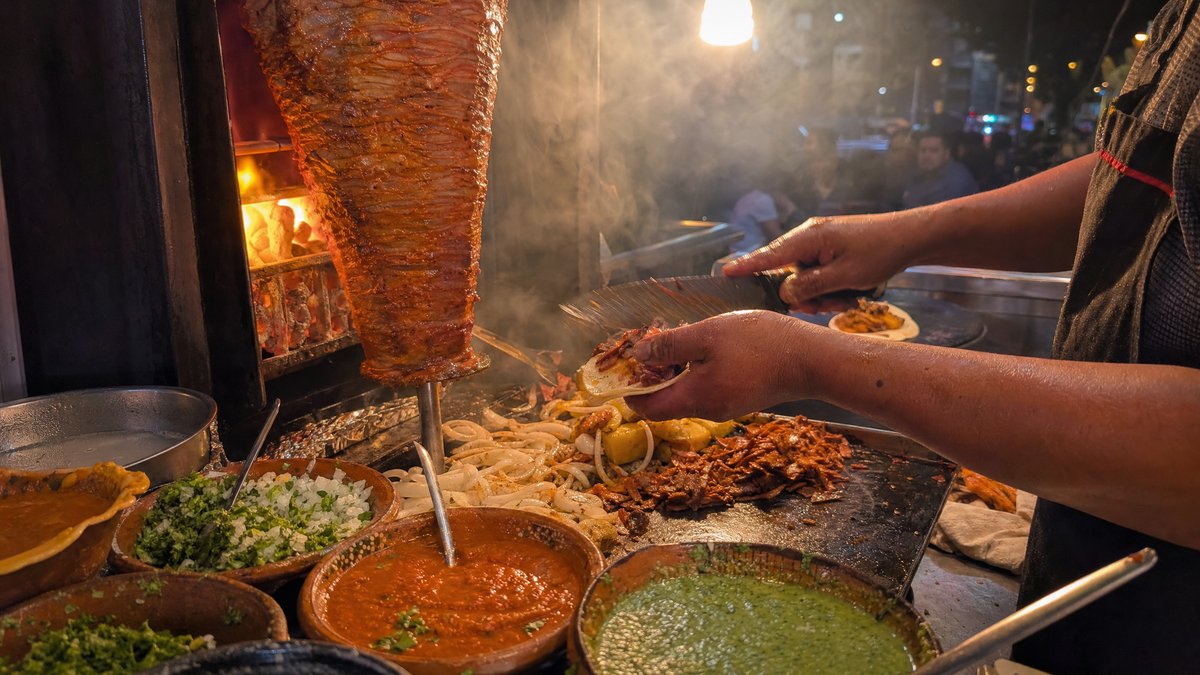
Mexico City Street Food - Tacos al Pastor

By Icon Tours | Travelites Blog

The first taco al pastor I ate in Mexico City ruined every taco I'd ever had before it. Standing at a street cart on a corner in Condesa at eleven at night, watching the taquero slice pork from a rotating trompo with surgical precision — thin ribbons of caramelized meat falling onto a warm corn tortilla already loaded with a sliver of grilled pineapple, a scatter of raw onion, and a squeeze of lime so fresh the juice ran down my wrist. I ate three more before I moved.

Mexico City doesn't just have street food. Mexico City is street food. The entire city operates on a parallel economy of carts, stalls, and hole-in-the-wall counters that serve food so extraordinary it makes Michelin-starred restaurants seem like they're trying too hard. And the prices are almost insulting — 15 to 25 pesos per taco, roughly a dollar, for something that will rewire your understanding of what food can be.

Mercado de Jamaica: The Sensory Overload

Start at Mercado de Jamaica if you want to understand how Mexico City eats. This sprawling market is famous for its flowers — mountains of marigolds, roses, and exotic tropicals — but the food section is where things get serious. Vendors sell fresh-squeezed juices in colors that don't exist in nature, tamales wrapped in banana leaves, and mole that's been simmering since before dawn.

I followed my nose to a stall where a woman was grinding chocolate and chilies on a stone metate. She'd been making mole negro this way for thirty years, she told me — the same recipe her mother taught her, which her grandmother had taught before that. Each batch takes two days. The result is a sauce so complex it hits you in waves: chocolate first, then heat, then a deep earthy bitterness that makes you close your eyes and just stand there.

The Taco Geography of CDMX

Every neighborhood has its taco specialty, and learning the city through its tacos is the best kind of education. In Coyoacán, near Frida Kahlo's blue house, the quesadillas are made with blue corn and stuffed with huitlacoche — corn fungus that tastes like mushrooms crossed with truffles. In Roma Norte, the tacos de canasta (basket tacos) arrive pre-made in a cloth-lined basket, steamed soft and dripping with salsa, sold by vendors who bicycle through the streets calling out their wares.

Then there are the tacos de suadero — beef brisket slow-cooked until it melts — that you find at late-night stands in the Centro Histórico. The stands set up around nine and don't close until three in the morning. The regulars know each taquero by name and have opinions about whose salsa verde is better. These debates are conducted with the seriousness of constitutional law.

Beyond Tacos: The Full Street Food Alphabet

Limiting a CDMX food conversation to tacos is like limiting a conversation about Paris to the Eiffel Tower. The elotes — grilled corn slathered in mayonnaise, cotija cheese, chili powder, and lime — are a meal in themselves. The tlacoyos, thick oval masa cakes stuffed with beans and topped with nopales, are pre-Hispanic fast food that's been perfected over centuries. The esquites, corn kernels served in a cup with the same toppings as elotes, are what you eat when you want the flavor without the cob.

And the drinks. Agua de Jamaica — hibiscus water with lime and sugar — is the perfect antidote to the city's chili heat. Pulque, the ancient fermented agave drink, is making a comeback in pulquerías across the city. And the hot chocolate at Churrería El Moro, thick enough to stand a spoon in, served alongside freshly fried churros at four in the morning — that's the kind of experience you plan a trip around.

The Michelin Factor

When Michelin finally arrived in Mexico City in 2024, the culinary world shrugged. Everyone already knew. The city had been operating at a Michelin level for decades — it just happened at street carts instead of white-tablecloth restaurants. Some of the city's most celebrated chefs eat at the same taco stands their customers would never think to visit. The food chain in CDMX runs in the opposite direction from most cities: the street feeds the restaurant, not the other way around.

On my last night, I went back to the Condesa taquero. He remembered me — or at least he remembered someone who ate four tacos al pastor standing up. He added an extra slice of pineapple without being asked. In Mexico City, that's a Michelin star.

Explore our carefully vetted tours, workshops, retreats, transfers, and stays around the world at www.icontours.com
Tuesday, July 7, 2026

The Art of Slow Travel: Why You Need Two Weeks in Florence, Not Two Days

By Icon Tours | Travelites Blog

The barista at the corner café on Via dei Serragli didn't ask what I wanted on my third morning. He just started making it — a doppio espresso, slightly longer pull than standard, the way I'd ordered it twice before. He slid it across the marble counter with a nod. No words. Just recognition. That small moment — being known somewhere far from home — is what slow travel is actually about.

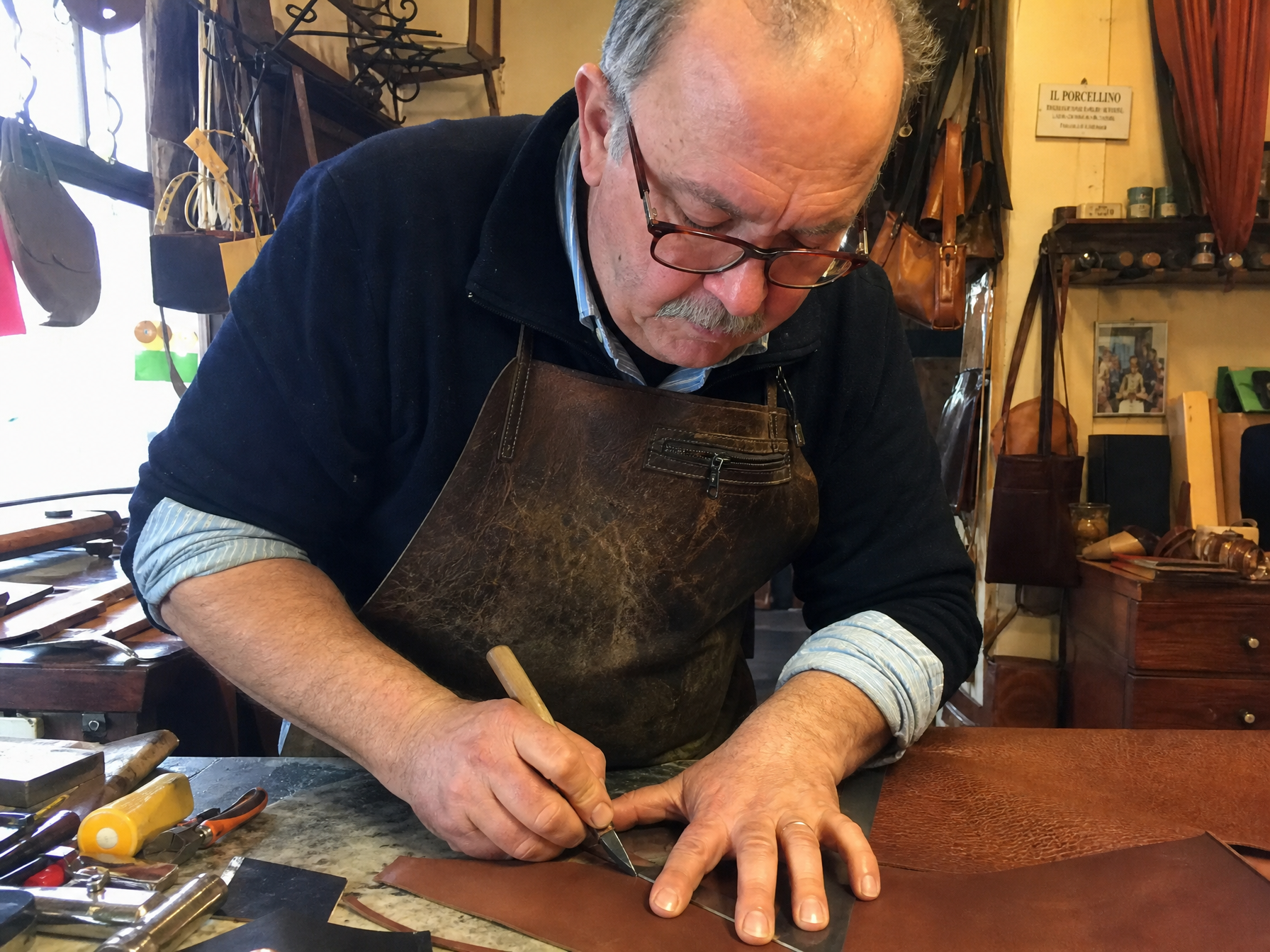
I'd come to Florence for two weeks, and it took me five days to stop feeling guilty about not "seeing things." No Uffizi line on Monday. No Accademia scramble on Tuesday. Instead, I walked the same route through Oltrarno every morning, noticing how the light changed on the stone facades, how the leather workshop on Via Maggio smelled different depending on what they were making — saddle-stitched journals on humid days, polished belts when the air was dry.

Oltrarno: Florence's Quiet Side

Cross the Ponte Vecchio and you step into a different Florence. Oltrarno is the artisan district — the side of the Arno where craftspeople still make things by hand, where neighborhood trattorias serve ribollita made from yesterday's bread, and where a glass of Chianti costs what it should. The tourist groups stop at the bridge. They rarely cross.

I found my workshop on the second day. Matteo, a third-generation legatoria owner, was binding a stack of handmade paper into journal covers when I peered through his open door. He waved me in. Over the next week, I came back four more times — watching him work, asking questions through my terrible Italian and his patient English, eventually buying a leather notebook that I'm writing in right now.

The Santo Spirito piazza became my living room. Every evening, locals gathered on the church steps with bottles of wine and paper bags of focaccia from the bakery across the square. No one performed for tourists because there weren't any. Just Florentines doing what Florentines do when the sun drops low enough to sit outside.

Piazzale Michelangelo at Different Hours

Every guidebook sends you to Piazzale Michelangelo at sunset. They're right — it's extraordinary. The entire city laid out below you, terracotta rooftops turning gold, the Duomo's dome catching the last light like a bronze crown. But here's what two-day visitors miss: Piazzale Michelangelo at dawn is better.

At six in the morning, the overlook is empty except for joggers and a man who sells espresso from a thermos. Mist lifts from the Arno valley in slow, ghostly waves. The Duomo emerges from the fog like a ship surfacing. The silence is complete. You can hear pigeons on the rooftops below. I went four mornings in a row and the light was different every time — peach one day, silver the next, pure gold on the third.

Why Two Weeks Changes Everything

In two days, Florence is a museum. In two weeks, Florence is a neighborhood. You develop a routine — the same morning walk, the same espresso, the same wave from the florist arranging sunflowers on Borgo San Jacopo. You stop navigating by map and start navigating by smell: coffee this way, fresh bread that way, the earthy tang of the leather district straight ahead.

Slow travel isn't about being lazy. It's about compression giving way to depth. You trade ten shallow experiences for three deep ones. You eat at the same trattoria three times and on the third visit, the owner brings you something that isn't on the menu. You walk the same streets until you notice the medieval graffiti scratched into a wall, or the tiny shrine tucked into a corner that a thousand rushed visitors walk past every day.

Florence rewards patience the way few cities can. The Tuscan light alone is worth staying for — the way it changes from the cool blue of early morning to the warm amber of late afternoon, painting the same stone facades in completely different moods every few hours.

The Practical Case for Staying Longer

Extended stays are also cheaper per day. A two-week apartment rental in Oltrarno costs less per night than three days in a hotel near the Duomo. You cook some meals with market ingredients — the Mercato di Sant'Ambrogio sells tomatoes that taste like the word "tomato" was invented for them. You buy wine by the bottle instead of by the glass. You walk instead of taking taxis because you know the shortcuts.

The Tuscan countryside is a day trip from your doorstep. Chianti vineyards, medieval hill towns like San Gimignano, the thermal baths at Saturnia — all within an hour or two. But when you live in Florence instead of visiting it, these excursions feel like outings from home rather than items on an itinerary.

On my last morning, the barista made my espresso without asking and said, "Ci vediamo." See you. Not goodbye — see you. That's the difference between visiting a city and belonging to it, even briefly.

Explore our carefully vetted tours, workshops, retreats, transfers, and stays around the world at www.icontours.com

I Let AI Plan My Berlin Trip — Here's What Happened When the Algorithm Met the Autobahn

By Icon Tours | Travelites Blog I was standing in the middle of Kreuzberg at 11 PM, eating a döner kebab that an AI chatbot had insiste...