Tuesday, July 21, 2026

I Let AI Plan My Berlin Trip — Here's What Happened When the Algorithm Met the Autobahn

Berlin Brandenburg Gate at golden hour

By Icon Tours | Travelites Blog

I was standing in the middle of Kreuzberg at 11 PM, eating a döner kebab that an AI chatbot had insisted was "the single best late-night food experience in southeastern Berlin," and I had to admit — the machine was right. The bread was crisp and warm, the meat had been shaved off the spit seconds before, and the garlic sauce had that unmistakable homemade tang that separates the legends from the imitators. A human concierge might have sent me to a sit-down restaurant. The algorithm sent me here, to a fluorescent-lit counter on Oranienstraße with a line out the door at midnight. No regrets.

The Experiment

I wanted to test something. Berlin is a city I've visited four times — enough to have my routines, my favorite U-Bahn exits, my go-to café near the Landwehr Canal where the flat white is perfect and nobody talks to you before noon. But this trip, I handed the keys to AI. I used three different tools: one for building my day-by-day itinerary, one for real-time translation when my German failed me (which was often), and one for restaurant and experience recommendations based on my actual preferences — not just star ratings, but the kind of granular taste profiling that knows I care more about atmosphere than Michelin stars.

The results were genuinely surprising.

When the Algorithm Gets It Right

My AI itinerary builder did something no guidebook has ever done for me: it understood pacing. It didn't cram six museums into a Tuesday. Instead, it mapped my energy levels against Berlin's natural rhythms — morning at the quiet end of Museum Island before the tour buses arrived, a long lunch break in Prenzlauer Berg where the streets are calm and the bakeries smell like sourdough and cardamom, then an afternoon at the East Side Gallery when the light hits the murals at that golden angle photographers wait hours for.

The real-time translation tool earned its keep at a flea market in Mauerpark. I was negotiating for a vintage GDR-era radio — the kind with the wood casing and analog dials that look like they belong in a Wes Anderson film — and the seller spoke only German and Turkish. The AI didn't just translate my words; it caught idioms, adjusted my tone to sound less like a tourist haggling and more like a local browsing. I got the radio for twelve euros. I'm looking at it on my desk right now.

Where It Surprised Me

Berlin is a city that rewards wandering, and I was skeptical that any algorithm could replicate the magic of getting lost. But the smart recommendation engine did something clever: it gave me a "drift zone" — a neighborhood and a time window with three or four anchor points, then told me to walk between them however I wanted. In Neukölln, those anchors were a vinyl shop specializing in Turkish psychedelic rock from the 1970s, a courtyard bar that served natural wine from Brandenburg vineyards, and a gallery showing a photographer who had documented every remaining bullet hole in Berlin's buildings. I would never have connected those dots on my own. The AI drew lines between my interests that I hadn't seen.

Where It Fell Short

No tool, however smart, could have predicted the thunderstorm that turned Tempelhofer Feld into a mud flat on Thursday afternoon, or the fact that the bookshop it recommended near Hackescher Markt had closed permanently two weeks before my visit. AI is extraordinary at pattern recognition and personalization. It is not yet good at the chaos that makes travel feel alive — the stranger who invites you to a warehouse concert, the wrong train that drops you in a neighborhood where the street art stops you cold. Berlin, more than almost any city I know, runs on that chaos. The best moments of my trip were still the unplanned ones.

The Verdict

AI didn't replace the soul of travel. But it did something valuable: it removed the friction. The hours I used to spend cross-referencing blogs, forums, and outdated guidebooks were compressed into minutes. The mental load of logistics — which transit pass, which neighborhood for dinner, how to ask for oat milk in German — evaporated. What was left was more time to actually be in Berlin. More time to sit on the banks of the Spree and watch the houseboats drift. More time to taste, listen, and look.

The future of travel planning isn't human versus machine. It's human plus machine — and Berlin, with its hacker spaces and history, its analog soul and digital heartbeat, might be the perfect city to prove it.

Explore our carefully vetted tours, workshops, retreats, transfers, and stays around the world at www.icontours.com

Tuesday, July 14, 2026

Mexico City's Street Food Revolution: A Taco-by-Taco Guide to the World's Best Eats

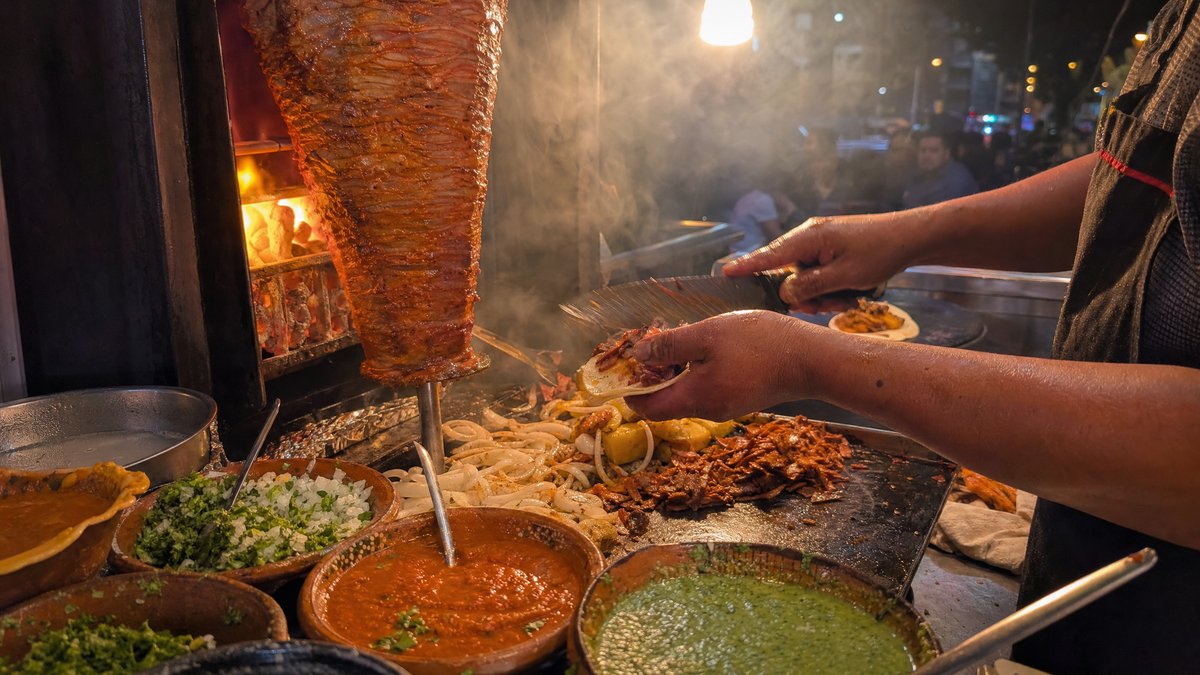
Mexico City Street Food - Tacos al Pastor

By Icon Tours | Travelites Blog

The first taco al pastor I ate in Mexico City ruined every taco I'd ever had before it. Standing at a street cart on a corner in Condesa at eleven at night, watching the taquero slice pork from a rotating trompo with surgical precision — thin ribbons of caramelized meat falling onto a warm corn tortilla already loaded with a sliver of grilled pineapple, a scatter of raw onion, and a squeeze of lime so fresh the juice ran down my wrist. I ate three more before I moved.

Mexico City doesn't just have street food. Mexico City is street food. The entire city operates on a parallel economy of carts, stalls, and hole-in-the-wall counters that serve food so extraordinary it makes Michelin-starred restaurants seem like they're trying too hard. And the prices are almost insulting — 15 to 25 pesos per taco, roughly a dollar, for something that will rewire your understanding of what food can be.

Mercado de Jamaica: The Sensory Overload

Start at Mercado de Jamaica if you want to understand how Mexico City eats. This sprawling market is famous for its flowers — mountains of marigolds, roses, and exotic tropicals — but the food section is where things get serious. Vendors sell fresh-squeezed juices in colors that don't exist in nature, tamales wrapped in banana leaves, and mole that's been simmering since before dawn.

I followed my nose to a stall where a woman was grinding chocolate and chilies on a stone metate. She'd been making mole negro this way for thirty years, she told me — the same recipe her mother taught her, which her grandmother had taught before that. Each batch takes two days. The result is a sauce so complex it hits you in waves: chocolate first, then heat, then a deep earthy bitterness that makes you close your eyes and just stand there.

The Taco Geography of CDMX

Every neighborhood has its taco specialty, and learning the city through its tacos is the best kind of education. In Coyoacán, near Frida Kahlo's blue house, the quesadillas are made with blue corn and stuffed with huitlacoche — corn fungus that tastes like mushrooms crossed with truffles. In Roma Norte, the tacos de canasta (basket tacos) arrive pre-made in a cloth-lined basket, steamed soft and dripping with salsa, sold by vendors who bicycle through the streets calling out their wares.

Then there are the tacos de suadero — beef brisket slow-cooked until it melts — that you find at late-night stands in the Centro Histórico. The stands set up around nine and don't close until three in the morning. The regulars know each taquero by name and have opinions about whose salsa verde is better. These debates are conducted with the seriousness of constitutional law.

Beyond Tacos: The Full Street Food Alphabet

Limiting a CDMX food conversation to tacos is like limiting a conversation about Paris to the Eiffel Tower. The elotes — grilled corn slathered in mayonnaise, cotija cheese, chili powder, and lime — are a meal in themselves. The tlacoyos, thick oval masa cakes stuffed with beans and topped with nopales, are pre-Hispanic fast food that's been perfected over centuries. The esquites, corn kernels served in a cup with the same toppings as elotes, are what you eat when you want the flavor without the cob.

And the drinks. Agua de Jamaica — hibiscus water with lime and sugar — is the perfect antidote to the city's chili heat. Pulque, the ancient fermented agave drink, is making a comeback in pulquerías across the city. And the hot chocolate at Churrería El Moro, thick enough to stand a spoon in, served alongside freshly fried churros at four in the morning — that's the kind of experience you plan a trip around.

The Michelin Factor

When Michelin finally arrived in Mexico City in 2024, the culinary world shrugged. Everyone already knew. The city had been operating at a Michelin level for decades — it just happened at street carts instead of white-tablecloth restaurants. Some of the city's most celebrated chefs eat at the same taco stands their customers would never think to visit. The food chain in CDMX runs in the opposite direction from most cities: the street feeds the restaurant, not the other way around.

On my last night, I went back to the Condesa taquero. He remembered me — or at least he remembered someone who ate four tacos al pastor standing up. He added an extra slice of pineapple without being asked. In Mexico City, that's a Michelin star.

Explore our carefully vetted tours, workshops, retreats, transfers, and stays around the world at www.icontours.com

Tuesday, July 7, 2026

The Art of Slow Travel: Why You Need Two Weeks in Florence, Not Two Days

By Icon Tours | Travelites Blog

The barista at the corner café on Via dei Serragli didn't ask what I wanted on my third morning. He just started making it — a doppio espresso, slightly longer pull than standard, the way I'd ordered it twice before. He slid it across the marble counter with a nod. No words. Just recognition. That small moment — being known somewhere far from home — is what slow travel is actually about.

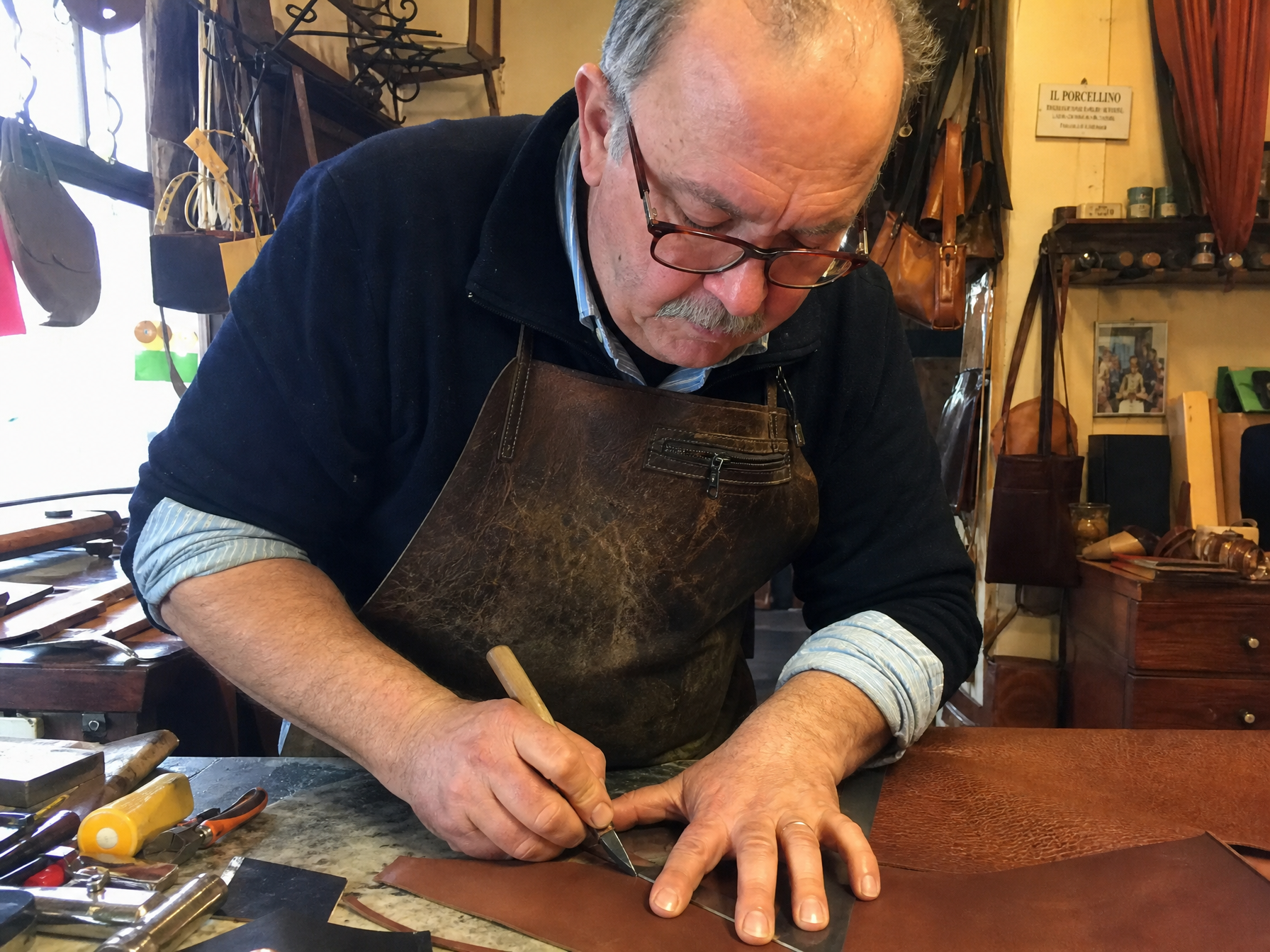
I'd come to Florence for two weeks, and it took me five days to stop feeling guilty about not "seeing things." No Uffizi line on Monday. No Accademia scramble on Tuesday. Instead, I walked the same route through Oltrarno every morning, noticing how the light changed on the stone facades, how the leather workshop on Via Maggio smelled different depending on what they were making — saddle-stitched journals on humid days, polished belts when the air was dry.

Oltrarno: Florence's Quiet Side

Cross the Ponte Vecchio and you step into a different Florence. Oltrarno is the artisan district — the side of the Arno where craftspeople still make things by hand, where neighborhood trattorias serve ribollita made from yesterday's bread, and where a glass of Chianti costs what it should. The tourist groups stop at the bridge. They rarely cross.

I found my workshop on the second day. Matteo, a third-generation legatoria owner, was binding a stack of handmade paper into journal covers when I peered through his open door. He waved me in. Over the next week, I came back four more times — watching him work, asking questions through my terrible Italian and his patient English, eventually buying a leather notebook that I'm writing in right now.

The Santo Spirito piazza became my living room. Every evening, locals gathered on the church steps with bottles of wine and paper bags of focaccia from the bakery across the square. No one performed for tourists because there weren't any. Just Florentines doing what Florentines do when the sun drops low enough to sit outside.

Piazzale Michelangelo at Different Hours

Every guidebook sends you to Piazzale Michelangelo at sunset. They're right — it's extraordinary. The entire city laid out below you, terracotta rooftops turning gold, the Duomo's dome catching the last light like a bronze crown. But here's what two-day visitors miss: Piazzale Michelangelo at dawn is better.

At six in the morning, the overlook is empty except for joggers and a man who sells espresso from a thermos. Mist lifts from the Arno valley in slow, ghostly waves. The Duomo emerges from the fog like a ship surfacing. The silence is complete. You can hear pigeons on the rooftops below. I went four mornings in a row and the light was different every time — peach one day, silver the next, pure gold on the third.

Why Two Weeks Changes Everything

In two days, Florence is a museum. In two weeks, Florence is a neighborhood. You develop a routine — the same morning walk, the same espresso, the same wave from the florist arranging sunflowers on Borgo San Jacopo. You stop navigating by map and start navigating by smell: coffee this way, fresh bread that way, the earthy tang of the leather district straight ahead.

Slow travel isn't about being lazy. It's about compression giving way to depth. You trade ten shallow experiences for three deep ones. You eat at the same trattoria three times and on the third visit, the owner brings you something that isn't on the menu. You walk the same streets until you notice the medieval graffiti scratched into a wall, or the tiny shrine tucked into a corner that a thousand rushed visitors walk past every day.

Florence rewards patience the way few cities can. The Tuscan light alone is worth staying for — the way it changes from the cool blue of early morning to the warm amber of late afternoon, painting the same stone facades in completely different moods every few hours.

The Practical Case for Staying Longer

Extended stays are also cheaper per day. A two-week apartment rental in Oltrarno costs less per night than three days in a hotel near the Duomo. You cook some meals with market ingredients — the Mercato di Sant'Ambrogio sells tomatoes that taste like the word "tomato" was invented for them. You buy wine by the bottle instead of by the glass. You walk instead of taking taxis because you know the shortcuts.

The Tuscan countryside is a day trip from your doorstep. Chianti vineyards, medieval hill towns like San Gimignano, the thermal baths at Saturnia — all within an hour or two. But when you live in Florence instead of visiting it, these excursions feel like outings from home rather than items on an itinerary.

On my last morning, the barista made my espresso without asking and said, "Ci vediamo." See you. Not goodbye — see you. That's the difference between visiting a city and belonging to it, even briefly.

Explore our carefully vetted tours, workshops, retreats, transfers, and stays around the world at www.icontours.com

Friday, June 26, 2026

Tokyo Solo: Why Japan's Capital Is the World's Best City for Independent Travelers

By Icon Tours | Travelites Blog

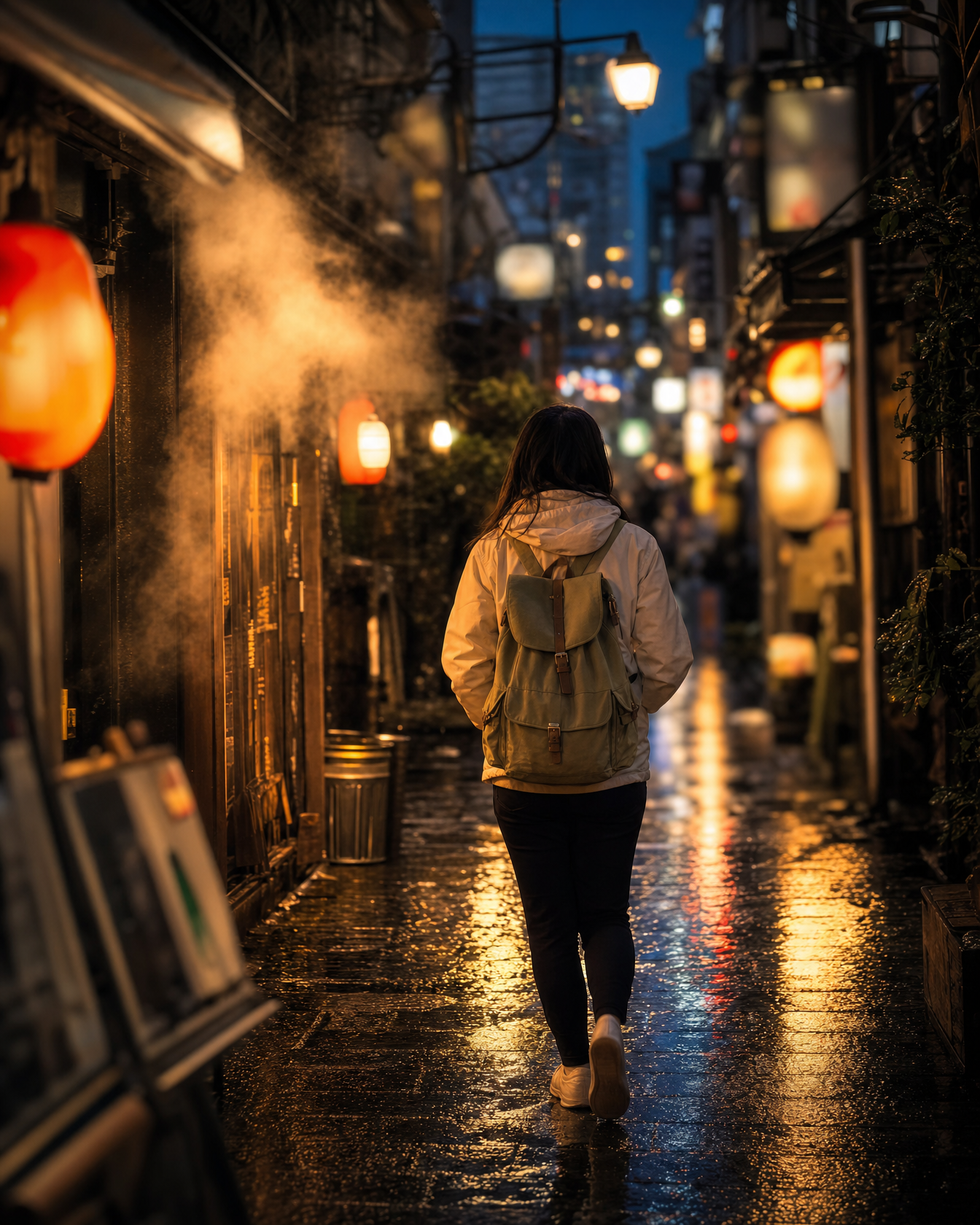
Solo traveler in Tokyo Golden Gai at twilight

The first thing I noticed in Tokyo wasn't the noise. It was the silence.

Not the silence of emptiness — the silence of a city that has figured out how to move 14 million people without making you feel crowded. I stepped off the Narita Express at Shinjuku Station during rush hour, and despite thousands of commuters flowing around me, no one bumped into me. No one raised their voice. The tide of people simply parted, reformed, and carried on. I stood still for a full minute, alone in the middle of everything, and thought: this is why solo travelers love this place.

Golden Gai at Twilight

If you're traveling alone, Shinjuku's Golden Gai is where Tokyo will win your heart. Six narrow alleys packed with nearly 300 tiny bars — most seating only four or five people — create a neighborhood that feels like it was designed for the solo traveler. There's nowhere to hide behind a companion here. You sit at the counter. You talk to the bartender. You meet the stranger on the stool beside you.

I found my favorite spot on my second evening: a bar no wider than a closet, its walls covered in vintage jazz album covers. The bartender, a retired saxophone player named Kenji, made me a whisky highball and asked where I was from. Within twenty minutes, I was sharing the counter with a graphic designer from Osaka and a retired teacher from Melbourne. None of us would have met in a larger space. Golden Gai's intimacy is its magic — it turns strangers into temporary friends.

The alley itself is worth the visit even before you step inside. After a light rain, the cobblestones turn into mirrors, reflecting the warm amber glow of paper lanterns and the soft neon of hand-painted signs. Steam curls from ramen shop doorways, catching the twilight light. It's one of those scenes that photographs beautifully but feels even better in person.

Shibuya's Organized Chaos

If Golden Gai is Tokyo's intimate whisper, Shibuya Crossing is its joyful shout. The world's busiest pedestrian intersection sends up to 3,000 people across in a single light change, and stepping into that current alone is an unforgettable rush.

What makes Shibuya extraordinary for solo travelers is what surrounds the crossing. Duck into the backstreets behind the 109 building and you'll find vinyl shops, standing sushi bars, and vintage clothing stores where the owners will spend thirty minutes helping you find the perfect jacket.

Why Tokyo Works for Solo Travelers

Japan's capital has qualities that solo travel guides rarely mention but experienced solo travelers recognize instantly. Safety is the obvious one — Tokyo consistently ranks among the safest major cities on earth. But it goes deeper than that.

The konbini (convenience stores) are open 24 hours and serve meals that would qualify as restaurant-quality anywhere else. The train system is so precisely timed that you can plan your day down to the minute. And the culture of respectful personal space means you never feel the loneliness that can creep in when traveling alone.

There's also the unexpected generosity. At Meiji Shrine, an elderly woman noticed me trying to read the prayer instructions and walked me through the ritual step by step. At a standing ramen counter, the chef gave me an extra egg because he noticed I'd cleaned my bowl. These small interactions are what solo travel is really about.

Your Solo Tokyo Checklist

Start your day early at the Tsukiji Outer Market. Spend midday in Yoyogi Park. Save your evenings for Golden Gai or the izakaya alleys of Yurakucho, where the glow of red lanterns and the smell of yakitori create the most atmospheric dining experience in the world.

And if you're a woman traveling solo — Tokyo is consistently rated the number one city for female solo travelers. The women-only train cars, impeccable public safety, and culture of courtesy create an environment where you can explore freely at any hour.

Go Alone. Come Back Different.

There's a Japanese concept called ikigai — your reason for being. Tokyo won't hand you yours, but it might help you find it. The city has a way of making solitude feel like a gift rather than a gap.

They add up to the realization that you're very good company.


Interested in experiencing Tokyo with expert local guides? Icon Tours offers small-group and customizable solo-friendly itineraries across Japan. Your adventure, your pace.

Saturday, April 4, 2026

The 10 Worst Cities in the World for Tourist Pickpocketing

 Hands Off!

The 10 Worst Cities in the World for Tourist Pickpocketing

By ICON Tours  |  The Travelites Blog


You’ve spent months planning your dream vacation. The flights are booked, the hotel is sorted, and you’ve got a list of must-see sights that could fill a novel. But somewhere between snapping a selfie at the Eiffel Tower and navigating the chaos of a Roman metro station, a professional thief has already sized you up, chosen their moment, and relieved you of your wallet, phone, or passport—often without you feeling a thing.

Pickpocketing is one of the oldest crimes in the world, and in 2026, it remains one of the most common threats facing international travelers. It is rarely violent, almost never prosecuted, and staggeringly efficient. In cities like Rome, police recorded over 33,000 pickpocketing cases in a single year—and that only counts the ones that were reported. The real numbers are far higher.

What makes modern pickpocketing so effective is that it has evolved into a team sport. These aren’t lone opportunists. They are organized crews with defined roles—scouts, distractors, lifters, and runners—who rehearse techniques and operate with a precision that would impress a military strategist. Some crews even train on mannequins for months before working live targets.

This article is your field guide. We’ll walk through the ten worst cities in the world for tourist pickpocketing, explain the scams and techniques these teams use, and close with five practical things you can buy or do to protect yourself. Knowledge is your best defense—so let’s get started.

How Pickpocket Teams Operate

Before we rank the cities, it helps to understand the enemy. Modern pickpocket crews typically operate with three to five members, each assigned a specific role. The scout identifies targets—usually tourists who are distracted, carrying visible valuables, or clearly unfamiliar with their surroundings. The blocker creates a bottleneck or obstruction, often by stopping suddenly on a staircase, escalator, or narrow passageway. The distractor engages the target’s attention—asking for directions, pointing at something, bumping into them, or even staging a fight. And the lifter does the actual theft, often passing the stolen item to a runner who disappears into the crowd within seconds.

This division of labor means that even if you catch the distractor in the act, the person who actually took your wallet is already gone. And because the lifter no longer has the stolen item, even a police search turns up nothing.

Common Scams and Techniques

The Bump and Lift

The classic. One person bumps into you—apologizing profusely, acting flustered—while their partner slides a hand into your pocket or bag from the other side. The entire theft takes less than two seconds. You don’t feel a thing because your brain is processing the collision, not monitoring your belongings.

The Bottleneck

A team member stops abruptly in a narrow space—a doorway, a turnstile, the top of an escalator—forcing everyone behind them to bunch up. In the moment of compressed bodies and mild frustration, a second team member unzips your backpack or reaches into your coat. Escalators are especially dangerous because you can’t turn around or step aside while riding.

The Helpful Local

A friendly stranger approaches and offers to help with directions, a ticket machine, or restaurant recommendations. They’re warm, patient, and spend ten to fifteen minutes building your trust. Once your guard is completely down, they create an opportunity—a hug goodbye, a handshake, a playful pat on the shoulder—and that’s when your phone or wallet vanishes.

The Petition or Clipboard

Common in Paris and Rome, a group approaches you with a clipboard, asking you to sign a petition for a charity or cause. While you’re reading and signing, your other hand is occupied, and your bag is unguarded. Other members of the group crowd around you, and by the time you’ve finished writing your name, your valuables are gone.

The Spill or Stain

Someone “accidentally” spills mustard, ketchup, or a drink on your clothing. A second person rushes over to help you clean up, dabbing at your shirt with a napkin—while simultaneously emptying your pockets. A variation involves bird droppings (sometimes fake) landing on your shoulder, prompting a “kind stranger” to assist.

The Lost Child

A crying child approaches you, tugging at your sleeve, holding up a piece of cardboard or a map. Your natural instinct is to help. While you’re bent down at the child’s level, focused on the situation, older accomplices pick your pockets or reach into your open bag. It’s emotionally manipulative and devastatingly effective.

The Fake Fight or Commotion

Two people stage a loud argument or a dramatic scene—shouting, shoving, or pretending to be injured. Every head in the area turns to watch. In that moment of collective distraction, their partners move through the crowd picking pockets. Street performers and flash mobs can serve the same function.

The 10 Worst Cities for Tourist Pickpocketing

1. Barcelona, Spain

Barcelona has earned a global reputation as the pickpocket capital of Europe, and for good reason. La Rambla, the city’s iconic pedestrian boulevard, is ground zero—but thieves also work aggressively on the Metro, at Sagrada Família, Park Güell, and on crowded beaches like Barceloneta. Teams frequently use the “bump and lift” on packed subway cars, and the clipboard petition scam is rampant around the Gothic Quarter. Police have identified organized rings that rotate members across shifts, treating pickpocketing like a full-time job.

2. Rome, Italy

Rome recorded over 33,000 pickpocketing incidents in a recent year—a staggering 51% increase. The Colosseum, Trevi Fountain, Vatican City, and Termini Station are prime hunting grounds. Rome’s thieves are known for working with almost military precision: scouts at tourist bus stops track arrivals, communicators relay information about tourist flow patterns, and specialists execute thefts based on target profiles. The crowded Bus 64 (the “Vatican Express”) is so notorious that locals call it the “pickpocket express.”

3. Paris, France

Paris accounts for nearly 17% of all theft-related tourist reviews globally. The Eiffel Tower, Louvre, Sacré-Cœur, and the Métro system are the main theaters of operation. The petition scam originated here and remains wildly effective around Montmartre and the Champs-Élysées. Teams of young women often surround tourists, creating confusion and physical contact while one member picks a pocket or opens a handbag. The RER B line to Charles de Gaulle Airport is another notorious corridor.

4. Prague, Czech Republic

Prague ranks as the third-worst city globally for pickpocketing, with 6.5 mentions of theft or scams per 1,000 tourist reviews. The Old Town Square, the Astronomical Clock, and Charles Bridge are prime locations. Thieves here often exploit the city’s famous beer culture, targeting tourists leaving pubs and bars in the evening when reactions are slower, and pockets are easier to access. The tram system, particularly the busy No. 22 line, is another persistent hotspot.

5. Bangkok, Thailand

Bangkok tops global rankings for combined scam and theft mentions, with nearly 10 incidents reported per 1,000 tourist reviews. The Grand Palace alone receives more mentions of scams and theft than any other single destination in the world. Tuk-tuk scams, gem store cons, and “closed temple” diversions are layered atop traditional pickpocketing at Chatuchak Weekend Market, Khao San Road, and the BTS Skytrain. The sheer density of tourists in these areas makes them irresistible to organized crews.

6. Madrid, Spain

Often overshadowed by Barcelona, Madrid has a serious pickpocketing problem of its own. The Puerta del Sol, Plaza Mayor, Gran Vía, and the Rastro flea market are prime targets. The Metro system, particularly during rush hour, is where many thefts occur. A common technique involves one thief blocking a Metro door as it closes while an accomplice grabs a phone or wallet and leaps onto the platform just as the doors shut—leaving the victim trapped on the departing train.

7. London, United Kingdom

London’s pickpocketing problem centers on the Tube, Oxford Street, Camden Market, and major tourist landmarks like Westminster and the Tower of London. The city’s thieves are known for sophistication—targeting phones on café tables, using e-bikes for snatch-and-grabs, and exploiting the crush of rush-hour commuters. Notting Hill Carnival and New Year’s Eve celebrations are annual peaks. British Transport Police report thousands of theft incidents on the Underground each year.

8. Naples, Italy

Naples has long had a reputation for street crime, and pickpocketing remains a persistent issue in the Spaccanapoli district, along the waterfront, and on buses and trains. Scooter-borne theft is a Neapolitan specialty—a rider or passenger snatches a bag, phone, or necklace from a pedestrian and speeds off through narrow streets before anyone can react. The city’s chaotic traffic and dense urban layout make pursuit nearly impossible.

9. Buenos Aires, Argentina

Buenos Aires has seen a sharp rise in tourist-targeted theft. La Boca, San Telmo, and the Subte (subway) system are frequent trouble spots. The “mustard scam” is practically an institution here: someone squirts a condiment on your clothing, a helpful passerby rushes over with napkins, and your bag is emptied while you’re being cleaned up. Distraction theft in outdoor cafés—where someone places a newspaper over your phone on the table and lifts it when they pick up the paper—is another Buenos Aires classic.

10. Amsterdam, Netherlands

Amsterdam’s combination of dense crowds, narrow streets, and a relaxed tourist atmosphere makes it a magnet for pickpockets. Dam Square, the Red Light District, Centraal Station, and the packed streets around the Anne Frank House are key hotspots. Bicycle-related distractions—a near-collision that makes you jump aside—are used as cover for theft. The city’s coffeeshop culture also means some tourists are less alert than they otherwise might be, making them particularly easy marks.

Five Things You Can Buy or Do to Stay Safe

The good news is that pickpocketing is almost entirely preventable. Here are five practical steps that will dramatically reduce your risk.

  1.  Invest in an Anti-Theft Bag or Backpack

Brands like Pacsafe and Travelon make bags with slash-proof fabric, lockable zippers, and RFID-blocking pockets. A good anti-theft daypack with hidden compartments and steel-reinforced straps is worth every penny. If you carry a backpack, wear it on your front in crowded areas—it looks odd, but it works.

  1.  Wear a Money Belt or Hidden Neck Wallet

A flat, ultra-slim money belt worn under your clothing is invisible to thieves. Keep your passport, primary credit card, and larger cash reserves here. Only carry in your regular wallet what you’re prepared to lose that day. Neck wallets that hang inside your shirt offer the same protection and are especially useful in hot climates where a waist belt might be uncomfortable.

  1.  Use RFID-Blocking Card Sleeves

Electronic pickpocketing is real. Thieves with handheld skimming devices can wirelessly read the data from contactless credit cards and passports simply by standing close to you. RFID-blocking sleeves or wallets with built-in metal-fiber shielding cost just a few dollars and completely neutralize this threat.

  1.  Spread Your Valuables Across Multiple Locations

Never keep all your money, cards, and documents in one place. Split your cash between a money belt, a zipped inner pocket, and your hotel safe. Carry a photocopy of your passport instead of the original when exploring. If a thief does get one stash, you still have backups. This single habit can turn a disaster into a minor inconvenience.

  1.  Stay Aware and Trust Your Instincts

No gadget replaces awareness. Keep your phone in a front pocket, not your back pocket. Hold your bag in front of you on public transit. Be wary of strangers who invade your personal space, create unnecessary physical contact, or try to distract you with questions, petitions, or performances. If something feels off, move away. Pickpockets rely on your politeness and hesitation—don’t give it to them.


The Worst Pickpocketing Cities at a Glance

  1.  Barcelona, Spain

  2.  Rome, Italy

  3.  Paris, France

  4.  Prague, Czech Republic

  5.  Bangkok, Thailand

  6.  Madrid, Spain

  7.  London, United Kingdom

  8.  Naples, Italy

  9.  Buenos Aires, Argentina

  10.  Amsterdam, Netherlands

Travel smart, stay alert, and keep your hands on your belongings. The world is full of extraordinary places worth visiting—just make sure you come home with all your stuff.


ICON Tours  •  www.icontours.com  •  The Travelites Blog


Books & Bites


If you are one of those readers who pines for recent days when you could pick up a book while sipping a double, soy, decaf caramel latte in an Ikea chair at one of those ubiquitous franchise bookstores, well, you won't want to read any further.

Unlike Northern Europe and North America, the franchise bookstore bubble never came to Portugal. We don't have empty big-box stores or vacant mall galleries where trendy, plastic wood shelves once offered a formulated list of bestsellers and coffee. Thankfully, this is one franchise movement that passed by Portugal's recent gentrification.

As a self-admitted bookworm, perusing family-owned bookstores filled with dusty old leather volumes, tattered stacks of printed ephemera, postcards, comic books, and antique engraved prints is a favorite activity that I usually reserve for those rare rainy winter days in Lisbon.

I can easily let a few hours slip by that should have been spent responding to important phone calls and emails, and return home with a few neatly paper-wrapped items, which most likely will not get the hours of attention I intended to spend with them.

For the traveler with time, Portugal still has many treasured places I call "readeries". The family-owned bookstores where you can drift through pages of history and discover rare pieces, far from the mobs of tourists waiting in line for hours to enter popular places like Lello's Bookstore in Porto.

Here's a curated list of Portugal's most interesting independent bookstores:


Livraria Bertrand Chiado — Rua Garrett, 73-75, 1200-203 Lisboa

Founded in 1732 by Pierre Bertrand and Pedro Faure, both originally from France, this is the oldest bookstore still in operation in the world, according to the Guinness Book of Records. Inside you'll find a dedicated Fernando Pessoa room, blue-and-white azulejo tile walls, and a café whose menu is inspired by the cookbooks on sale. www.bertrand.pt


Ler DevagarLisbon Rua Rodrigues de Faria, 103, 1300-501 Lisboa

Located inside an old Portuguese newspaper pressroom at LX Factory, a creative hub filled with art, music, and fashion. It has thousands of arty titles spread over two floors, stages concerts and exhibitions, and has a café/bar — making it one of the most beautiful bookstores in the world. www.lerdevagar.com


Livraria de SantiagoÓbidos Largo de São Tiago do Castelo, 2510-057 Óbidos

Part of the Ler Devagar network, this bookstore occupies the ancient Church of St. James, built by King Sancho I in the 12th century, right next to the castle entrance. The main altar, saints, and pulpit are still in place, with books filling the lateral altars and every available surface. An utterly singular experience. www.lerdevagar.com


Fábula UrbisLisbon Rua Augusto Rosa, 27, 1100-058 Lisboa

Tucked away just behind the cathedral, every book on offer is exclusively about Lisbon. Housed in a former carpentry workshop, the 3,000-title collection spans poetry, history, gastronomy, architecture, photography, and more — with over a fifth of the titles in foreign languages, including English, French, Spanish, and German. Upstairs, there's a gallery space for rotating exhibitions and evening recitals. (No standalone website — find them on Google Maps)


Livraria PoetriaPorto Rua de Sá de Noronha, 115, 4050-526 Porto

Hailed as Portugal's only bookstore dedicated entirely to poetry and theater, Poetria is caught between the past and the present — the staircase brings old-world elegance while the lower level is clean and modern, with books suspended on floating shelves. The owner's motto is "Poetry heals, theater is life," and the store produces its own independent editions alongside works from Portuguese, Brazilian, and English authors. (Find them on Instagram: @poetria.livraria)


Centésima PáginaBraga Avenida Central, 118-120, 4710-229 Braga

Housed in the Rolão House, one of the best-preserved examples of 18th-century Baroque style, and a building classified as a site of Public Interest since 1977. This is an independent bookstore where you'll find expositions, book launches, debates, concerts, children's workshops, a café, and a garden — making it far more than just a place to buy books. www.centesima.com


Livraria Chaminé da MotaPorto Rua das Flores, 28, 4050-262 Porto

More like a museum of literature than a typical bookstore. Inside, you're greeted by an assortment of titles, manuscripts, posters, and maps, some of which are more than 100 years old. The scent of old paper hangs in the air, sculptures gaze silently down the long corridors, and timeworn artifacts rest in elaborate cabinets. Photography is not permitted, adding to the sense that you've wandered into something rare and protected. (No standalone website — find them on Google Maps)


Livraria Moreira da CostaPorto Rua dos Mártires da Liberdade, 120, 4050-359 Porto

Founded in 1902, this is Porto's oldest still-operating bookstore. Step through the wooden doors and you're instantly transported back in time — worn floorboards, tall wooden shelves, and the unmistakable scent of old paper. It specializes in rare and secondhand titles, as well as vintage postcards and artwork. (Find them on Facebook: Moreira da Costa Alfarrabistas)

Thursday, June 5, 2014

A Foodie City Gets It!

Mercado da Ribeira and TimeOut Magazine Score a Hit in Lisbon

The largest central farmers market in Lisbon, Mercado da Ribeira has been the city's main market since it opened in 1892 with a grand oriental dome.

Inside is a massive pavilion where you can watch fresh seafood from the Azores Islands to Norway being snatched up by locals and restauranteurs haggling for the best price. Although the financial crisis and wholesale, discount chain stores had reduced this once thriving market to a handful of diehard vendors, in 2014 it's management was taken over by TimeOut Lisboa magazine, with a bold a project that was finally realized last week and opened to the public with much anticipation.

The Mercado da Ribeira now hosts a lively food pavilion with over 30 top chefs, Lisbon eateries and famous shops, some of which have supplied Lisboetas with savory foodstuffs for over a century. Inside is a beautifully designed 500 seat dining area that gets bustling around 9:00pm, but not to worry because there are another 200 seats outside on the terrace where seafood and light snacks alike can be enjoyed beside the park in Dom Luis Square.

There are no fast food stands, no trans-Euro franchises, and none of those awful umbrellas and plastic chairs sporting logos for sodas and beers. This shows how Lisbon takes its food seriously and the plans for more are in the works. There will also be a space dedicated to cultural activities on the first floor that will open in September 2014. There will be an auditorium capable of seating 300 people as well as a bar and restaurant. TimeOut is already organizing small cultural events with artists and musicians to liven up the summer and fall nights in 2014.

Come check out everything from traditional Portuguese sandwiches like the Prego, or Bifana, or fresh Atlantic seafood and fish dishes, an excellent selection of local wines, cheeses and even some ethnic eateries from former Portuguese colonies where the kitchens or Portugal and other countries have combined over time to create their own unique cuisine. There are renowned chefs sporting stars, and start ups who won a competition hosted by TimeOut to receive a coveted place in the market food pavilion.

The Mercado da Ribeira food pavilion is open from 10AM to midnight On Thursdays, Fridays and Saturdays it is open  until 2:00am in the morning. Located on the ground floor on the west side of the pavilion. The address is Rua da Ribeira Nova, 18.


I Let AI Plan My Berlin Trip — Here's What Happened When the Algorithm Met the Autobahn

By Icon Tours | Travelites Blog I was standing in the middle of Kreuzberg at 11 PM, eating a döner kebab that an AI chatbot had insiste...