By Icon Tours | Travelites Blog
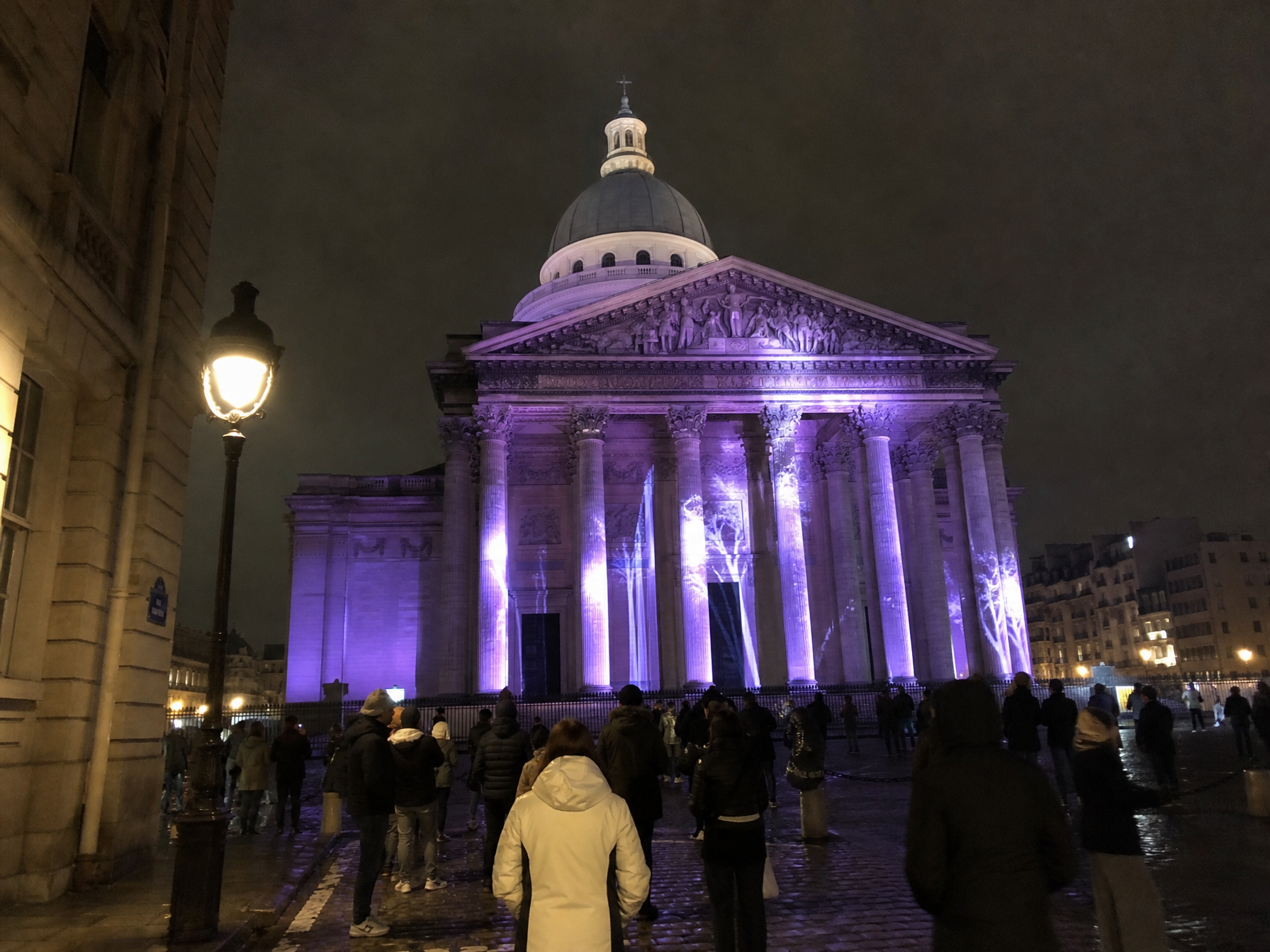
At 2 AM on a Saturday in October, I was standing inside the Panthéon — a building I have visited in daylight at least five times — watching a light installation turn the interior into something that looked like the inside of a dying star. Beams of white and violet crawled across the dome. Strangers lay on the marble floor, looking up in silence, their faces lit from above like figures in a Caravaggio painting. A child next to me whispered, “Maman, the building is breathing,” and she was right. The columns seemed to pulse. The shadows moved. This was Nuit Blanche — Paris’s annual all-night arts festival — and it had turned a monument I thought I knew into a place I had never been.
That’s the argument for event-based travel in a single moment. The city doesn’t change. You do. Or rather — the city reveals a version of itself that only exists for a few hours, a few days, a single season, and then disappears. If you’re not there for it, you’ll never see it.
The Calendar as Itinerary
I’ve been to Paris seven times over fifteen years. I’ve done the museums, the bistros, the Seine walks, the cemetery pilgrimages to Père Lachaise. I have a favorite crêperie in the 6th and a preferred bench in the Jardin du Luxembourg. Paris, for me, had become comfortable — and comfort, in travel, is the first sign that you’ve stopped really seeing a place.
So I started planning trips around the calendar instead of the map. Not “what neighborhood should I stay in?” but “what’s happening that week?” The shift was transformative. Paris has a density of events that’s almost absurd: Fashion Week in September and February, the French Open sprawling across Roland-Garros in late May, Fête de la Musique on the summer solstice, Nuit Blanche in the fall, and dozens of smaller festivals, pop-ups, and cultural moments that don’t make the tourist brochures but absolutely should.
Fête de la Musique: The Night the City Becomes a Stage
June 21st. The longest day of the year. Every street corner, courtyard, park, and metro station in Paris becomes a concert venue. This is not a metaphor. A jazz quartet played in a pharmacy doorway in the Marais. An opera singer — a professional, voice like liquid amber — performed Puccini in a courtyard in the 5th arrondissement to maybe forty people sitting on the cobblestones. A group of teenagers had set up a drum circle under the Pont des Arts, and the sound bounced off the water and the stone walls of the quai in a way that gave it a reverb no studio could replicate.
I walked for six hours. I ate a merguez sausage from a street vendor at midnight. I listened to Malian kora music in Belleville, accordion waltzes in Montmartre, and experimental electronic something in a parking garage near Bastille. By 3 AM, the city smelled like wine and rain — it had started drizzling, and nobody cared — and I felt like I had heard Paris breathe in a way that no museum or monument had ever revealed.
Roland-Garros: When Sport Becomes Culture
I’m not a tennis fanatic. I want to be upfront about that. But the French Open at Roland-Garros is not really about tennis, or at least not only about tennis. It’s about sitting on the warm clay-colored seats of Court Philippe-Chatrier with a croque monsieur and watching the crowd as much as the match — the way Parisians dress for a sporting event like it’s an opening night, the collective gasp that ripples through thousands of people when a rally goes one shot too long, the specific quality of late-May sunlight on red clay that makes the whole stadium glow like the inside of a terracotta pot.
Between matches, I wandered the grounds and found myself in a conversation with a retired line judge who had worked the tournament for twenty-seven years. He told me about the time a pigeon landed on the net during a Nadal match and refused to move. He told me about the smell of the clay — they mix it fresh each morning, he said, brick dust and limestone, and the scent is different when it’s been rained on. I would never have had this conversation on a regular Tuesday in Paris. The event created the conditions for it.
Why Events Transform Familiar Cities
The magic of event-based travel is that it solves the repetition problem. You don’t need to find a new destination to have a new experience — you need to find a new reason to visit the same one. Paris during Fashion Week is not the same city as Paris during Nuit Blanche. The energy shifts. The crowds change. Different neighborhoods come alive. The cafés that are quiet in November are overflowing in June. The museum that felt somber at noon feels transcendent at midnight.
More practically, events give your trip a spine — a reason to be somewhere specific at a specific time — and then everything else organizes around it. You’re not wandering aimlessly through a city you’ve already seen. You’re locked into a moment that only happens once, and the urgency of that makes everything sharper. The food tastes better. The conversations go deeper. The memories stick.
A City You Thought You Knew
I left Paris after Nuit Blanche feeling like I had just visited for the first time. Not because anything about the city had fundamentally changed — the Panthéon was still the Panthéon, the Seine still smelled faintly of diesel and rain — but because I had seen it in a light, both literal and figurative, that I hadn’t known existed. That’s what events do. They don’t replace the permanent version of a city. They reveal the one that’s been hiding behind it, waiting for the right night to come out.
Explore our carefully vetted tours, workshops, retreats, transfers, and stays around the world at www.icontours.com